
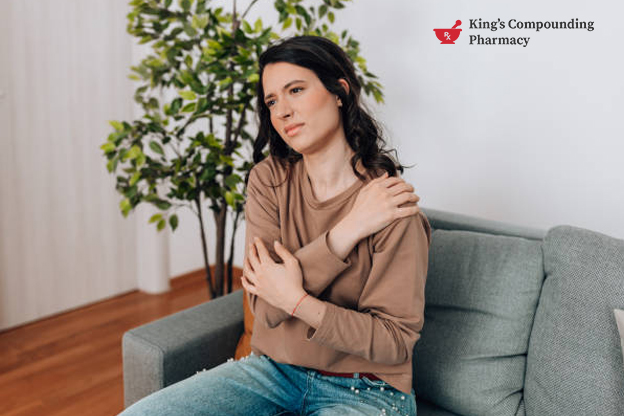
Daily stiffness, body aches, or a lingering sense of inflammation can slowly wear you down. When discomfort shows up without a clear injury, it often feels confusing and frustrating. In many cases, the real issue is not overuse or aging but how your hormones regulate inflammation and physical comfort throughout the day.
Understanding this connection helps you move from managing symptoms to identifying the cause. Once you see how hormones influence inflammation, everyday discomfort becomes easier to evaluate and address.
How Hormones Influence Inflammation in the Body
Hormones act as regulators that help influence immune activity, tissue repair, and pain signaling. When hormone levels are balanced, inflammatory responses typically activate when needed and reduce as healing progresses. When hormone signaling is disrupted, inflammation may remain active longer than expected, contributing to hormone imbalance inflammation to which Amarillo residents often describe as persistent discomfort.
Ways Hormones Influence Inflammation and Physical Comfort
- Hormones help regulate how intense an inflammatory response becomes
- Balanced hormone levels support appropriate immune activation
- Hormones help signal when tissue repair should begin and slow down
- Proper signaling may reduce lingering soreness
- Hormones influence pain sensitivity within the nervous system
- Stable hormone activity supports overall physical comfort
When hormone regulation is impaired, inflammation may not resolve efficiently. This can lead to discomfort that feels ongoing rather than linked to a single physical cause.
Common Hormone Related Body Aches You Might Notice
Hormone related body aches often develop gradually. Instead of following a clear injury, inflammation may build internally over time. Changes in estrogen, progesterone, or testosterone can influence how joints, muscles, and connective tissues respond to everyday movement, especially in adults experiencing hormone shifts.
Patterns Commonly Associated With Hormone Related Discomfort
- Joint stiffness, particularly after periods of rest
- Muscle soreness that improves slowly or inconsistently
- General aches that feel widespread rather than localized
- Tenderness without a clear physical trigger
These hormone related body aches often reflect altered inflammatory regulation rather than damage to one specific area. Recognizing this pattern helps explain why symptoms may feel persistent or unpredictable.
Why Hormone Balance Affects Daily Physical Comfort
Hormone balance in Amarillo residents often plays a central role in how the body manages inflammation. When hormones are regulated, inflammatory signals tend to remain proportional and temporary. This supports joint, muscle, and soft tissue comfort during normal daily activity.
When Hormone Balance Is Present, the Body May Be Better Able To
- Respond appropriately to routine physical stress
- Limit unnecessary inflammatory signaling
- Maintain smoother and more comfortable movement
Without stable hormone balance, routine activity may feel more uncomfortable than expected. Consistent hormone signaling helps keep inflammatory responses predictable and easier for the body to regulate.
How Inflammation Feels Different When Hormones Are Involved
Inflammation influenced by hormone imbalance often feels different from inflammation caused by injury. It may present as dull, widespread, and lingering discomfort. Rest alone may provide limited relief because immune signaling can continue even when tissue damage is minimal.
Differences Commonly Noted
- Injury related inflammation is usually localized
- Injury related inflammation tends to improve with rest
- Hormone related inflammation often feels diffuse
- Hormone related inflammation may change little with rest
Because this type of inflammation is influenced by hormone signaling, addressing underlying balance may be necessary rather than repeatedly managing symptoms alone.
When Ongoing Aches Signal a Hormone Issue
Occasional soreness is normal, but ongoing discomfort without a clear cause may indicate hormonal involvement. When inflammation lacks a proper shut off signal, it becomes part of the daily baseline.
Signs this may be occurring include
- Aches that persist despite reduced activity
- Discomfort that shifts location
- Stiffness without increased physical strain
Recognizing these signals helps distinguish hormone driven inflammation from mechanical issues and supports better care decisions.
Supporting Long Term Comfort Through Hormone Awareness
Long term physical comfort depends on efficient inflammatory regulation. Hormone awareness helps you identify when inflammation is being amplified internally rather than triggered by activity. This understanding reduces guesswork and repeated short term fixes.
By observing patterns over time, you can determine whether hormone balance is influencing how your body feels day to day. This approach supports more informed and proactive health decisions.
Frequently Asked Questions
Yes. Hormones regulate how inflammation starts and stops. When they are out of balance, inflammatory signals may remain active longer than necessary.
No. They are often mild but persistent, showing up as stiffness or generalized discomfort rather than sharp pain.
For many people, restoring balance helps regulate inflammation and supports smoother daily movement and recovery.
What This Means for Daily Comfort
Ongoing aches and inflammation are not always caused by activity or injury. Hormones regulate how inflammation starts, how long it lasts, and when the body returns to comfort. When hormone balance is disrupted, inflammatory signals can remain active, leading to persistent stiffness and body aches. Understanding this connection helps you evaluate discomfort more clearly instead of treating symptoms in isolation.
This perspective reflects the practical approach used by Kings Compounding Pharmacy to support hormone related comfort concerns in Amarillo.
📍 Visit Us:
King’s Compounding Pharmacy
1600 S. Coulter St, Suite 307
Amarillo, TX 79106