
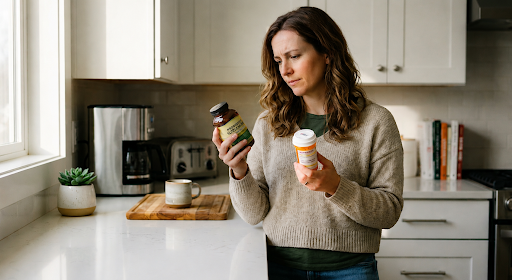
Your doctor hands you an antibiotic prescription and says “take a probiotic too.” Simple enough, until you get home and start wondering. Same time as the antibiotic? Before? After? Google gives you five different answers and none of them agree. If you’ve ever stared at two bottles on your kitchen counter unsure which one to swallow first, you’re not alone, and getting the order wrong can quietly cancel out the benefit you’re trying to get. Knowing when to take probiotics and antibiotics is the difference between a course that works and one that quietly undoes itself.
Why Timing Matters More Than You Think
Antibiotics don’t just target harmful bacteria. They wipe out beneficial gut flora too, which is why so many people experience diarrhea, bloating, or cramping during treatment. That’s not a coincidence. It’s your microbiome taking a hit.
Probiotics are live microorganisms meant to replace and support those beneficial strains. A large meta-analysis published in PMC reviewed 36 studies involving over 9,000 participants and found that probiotics reduced the incidence of antibiotic-associated diarrhea by 38%, and this protective effect held steady regardless of when probiotics were introduced relative to the antibiotic dose. The takeaway isn’t just “take probiotics.” It’s “take them correctly, consistently, and for long enough”.
The Right Way to Space Out Probiotics and Antibiotics
Here’s the practical breakdown pharmacists recommend:
- Space it out. Take your probiotic at least 2 hours before or after your antibiotic dose.
- Start early. Begin probiotics on day one of your antibiotic course, not after symptoms appear.
- Stay consistent. If your antibiotic is dosed twice daily, fit your probiotic into the midday or bedtime gap.
- Keep going after. Continue probiotics for 2 to 4 weeks post-treatment to support full gut recovery.
- Choose wisely. Look for strains like Lactobacillus rhamnosus GG or Saccharomyces boulardii, which research shows hold up well during antibiotic use.
Why Saccharomyces Boulardii Is Different
This particular probiotic is a yeast, not a bacterium, which means antibiotics don’t touch it. That makes it one of the few strains you technically don’t have to space apart from your antibiotic dose, though many pharmacists still recommend spacing for consistency and digestive comfort.
Probiotics vs. Antibiotics: A Quick Comparison
| Factor | Antibiotics | Probiotics |
|---|---|---|
| Purpose | Kill or stop harmful bacteria | Restore and support beneficial bacteria |
| Timing | Fixed schedule per prescription | 2+ hours apart from antibiotics |
| Duration | Set course (usually 5-14 days) | Start day 1, continue 2-4 weeks after |
| Best strains | N/A | Lactobacillus rhamnosus GG or Saccharomyces boulardii |
| Risk if mistimed | Reduced effectiveness of probiotic | Minimal risk, but reduced benefit |
Signs Your Gut Needs a Custom Plan
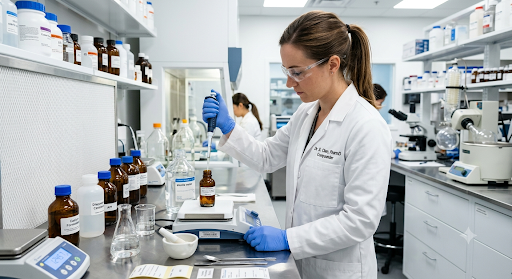
Every antibiotic and every gut behaves differently. A short amoxicillin course and a two-week regimen for a stubborn infection call for different plans, which is why generic advice only goes so far.
A compounding pharmacy in Amarillo can adjust probiotic formulations, recommend strains matched to your antibiotic, and compound custom dosages beyond what’s on the shelf.
A personalized pharmacy consultation is worth booking if you:
- Get recurring digestive upset after antibiotics
- Manage a chronic condition alongside a new prescription
- Take multiple medications with interaction risk
- Are pregnant, elderly, or immunocompromised
A pharmacist reviews your antibiotic and health picture to recommend a strain and schedule built for you, not a generic label.
What to Do Before Your Next Prescription
- Ask your pharmacist which probiotic strain pairs best with your specific antibiotic
- Set phone reminders to space doses by at least 2 hours
- Buy your probiotic before you start antibiotics, not mid-course
- Keep a symptom log if you’re prone to digestive upset during treatment
- Plan to continue probiotics for several weeks after your prescription ends
Not all pharmacies in Amarillo offer this level of hands-on support, but it makes a real difference when you’re navigating multiple medications or a sensitive gut.
Key Takeaways
- Space probiotics and antibiotics at least 2 hours apart for best results
- Start probiotics on day one of antibiotic treatment, not after symptoms start
- Continue probiotics for 2-4 weeks after finishing antibiotics
- Lactobacillus rhamnosus GG and Saccharomyces boulardii are the most researched, effective strains
- A personalized pharmacy consultation helps tailor timing to your specific antibiotic and health needs
Get Your Probiotic and Antibiotic Timing Right in Amarillo
Guessing at timing isn’t necessary when expert help is a phone call away. Getting probiotics and antibiotics right often comes down to your specific prescription, your gut health history, and your daily routine, not a generic label. If you’re starting a new antibiotic or still dealing with gut issues from a past course, contact King’s Compounding Pharmacy in Amarillo. Bring your medication list, and we’ll walk you through a probiotic and antibiotic plan built around you.
Frequently Answered Questions
Can I take probiotics on an empty stomach while on antibiotics?
Yes, taking probiotics on an empty stomach is generally recommended. Taking them 30 minutes before a meal (like breakfast) or right before bed helps the beneficial bacteria pass swiftly through harsh stomach acid and into your intestines.
What happens if I take probiotics while taking antibiotics?
Taking probiotics and antibiotics at the exact same time is usually ineffective. Because antibiotics indiscriminately kill both harmful and beneficial bacteria, taking them simultaneously will cause the antibiotic to destroy the live microorganisms in the probiotic supplement before they reach your gut.
When is the best time to take probiotics with antibiotics?
You can take some types at the same time as your antibiotic. Saccharomyces boulardii and Lactobacillus rhamnosus are two that have been effective choices. Other Lactobacillus and Bacillus strains fare better when taken an hour or two before or after the antibiotic.
What are the best probiotics to take with antibiotics?
The best probiotics to take with antibiotics are Lactobacillus rhamnosus GG (LGG) and the yeast Saccharomyces boulardii. Both are heavily researched to help prevent antibiotic-associated diarrhea and protect your gut flora.
How do I know if my probiotics are working?
Signs probiotics are working include regular bowel movements, reduced bloating and gas, and firmer stool consistency. You may also notice higher energy levels, better sleep quality, clearer skin, and improved emotional balance within two to eight weeks of consistent use.
Should I keep taking probiotics after I finish my antibiotic course?
Yes. Continuing for one to four weeks after your last antibiotic dose gives your gut bacteria more time to rebuild, since antibiotics can affect gut diversity well past the last pill.